
About OSCE Toolbox
Raising the Standard of Clinical Readiness in UK Pharmacy Education
OSCE Toolbox was founded with a clear mission: to raise OSCE standards nationally and strengthen clinical preparedness across pharmacy education.
Objective Structured Clinical Examinations are more than an assessment format. They are a structured proxy for real-world clinical practice. When students are prepared for OSCEs, they are often better prepared for patient-facing responsibility.
Yet many students report that OSCEs feel overwhelming, unpredictable, and disconnected from day-to-day teaching. The gap is rarely knowledge. It is application, structure, and confidence under pressure.
OSCE Toolbox exists to bridge that gap.
Our Founder
OSCE Toolbox was founded by Leya Luhar, a final-year medical student (MBChB) and MSc Healthcare Management (Distinction), with a research focus in healthcare education and digital simulation.
Her academic and entrepreneurial work has been recognised nationally:
Virtual Reality 360-Degree Films for Objective Structured Clinical Examination Preparation: A Descriptive Study
OSCE Toolbox was built from lived experience across medicine and pharmacy education, informed by research in simulation, experiential learning and clinical readiness.
OSCE Toolbox was built from lived experience across medicine and pharmacy education, informed by research in simulation, experiential learning and clinical readiness.
You can connect with Leya and view case studies, workshops and national collaborations on LinkedIn:
https://www.linkedin.com/in/leya-luhar/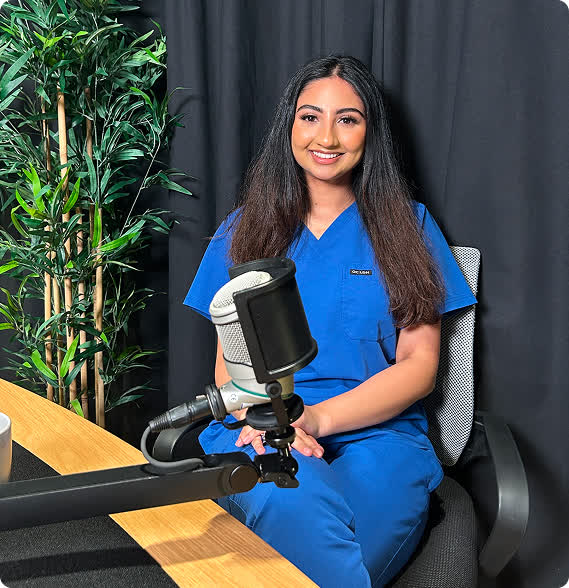
National Reach
OSCE Toolbox has supported over 3,500 pharmacy students across multiple UK institutions.
Through workshops, society partnerships and institutional engagement, we have delivered structured OSCE preparation sessions to all year groups at several UK schools of pharmacy.
Student feedback consistently highlights:
Case studies:
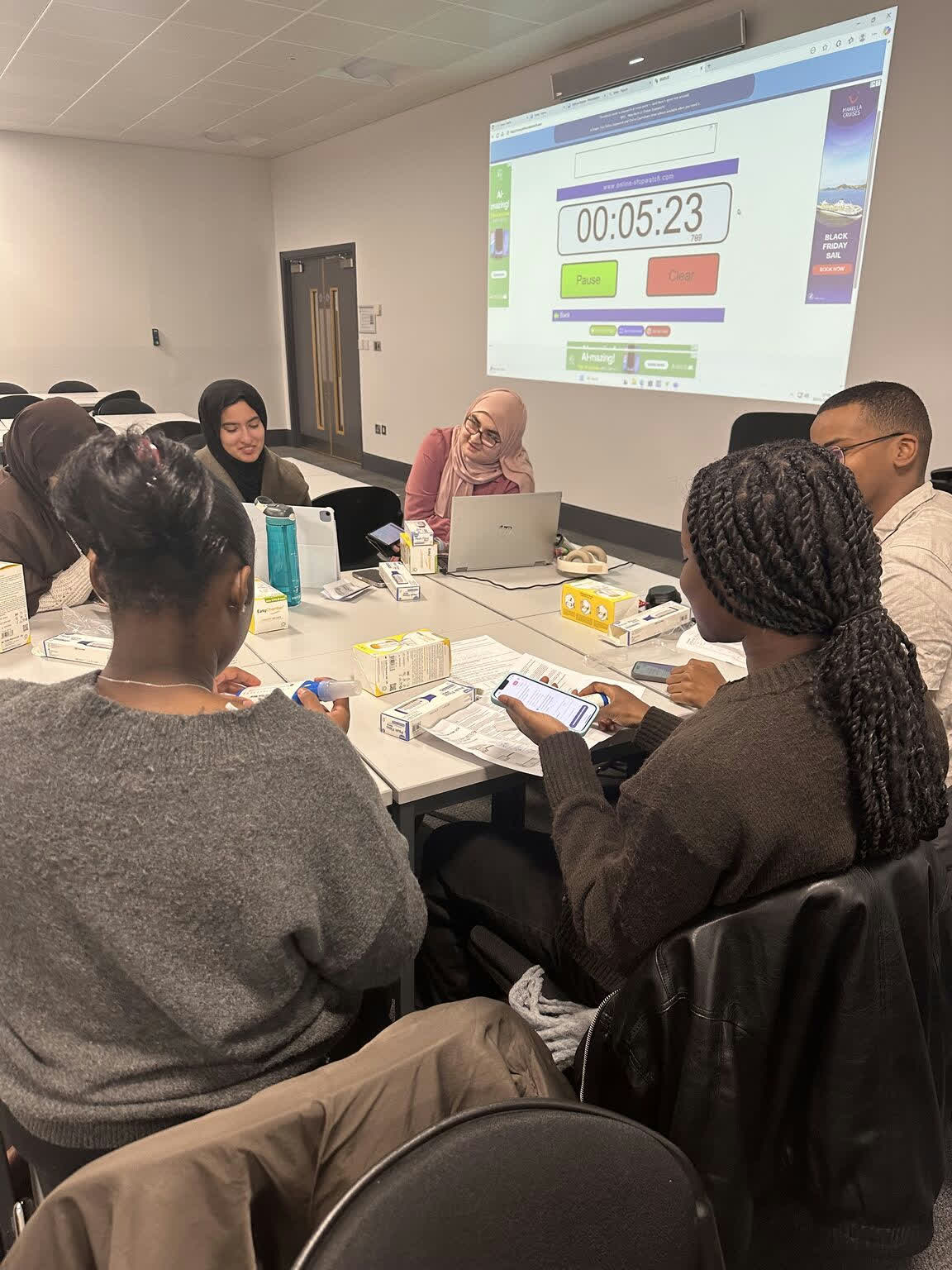
Asthma OSCE Skills in Action at Kingston University
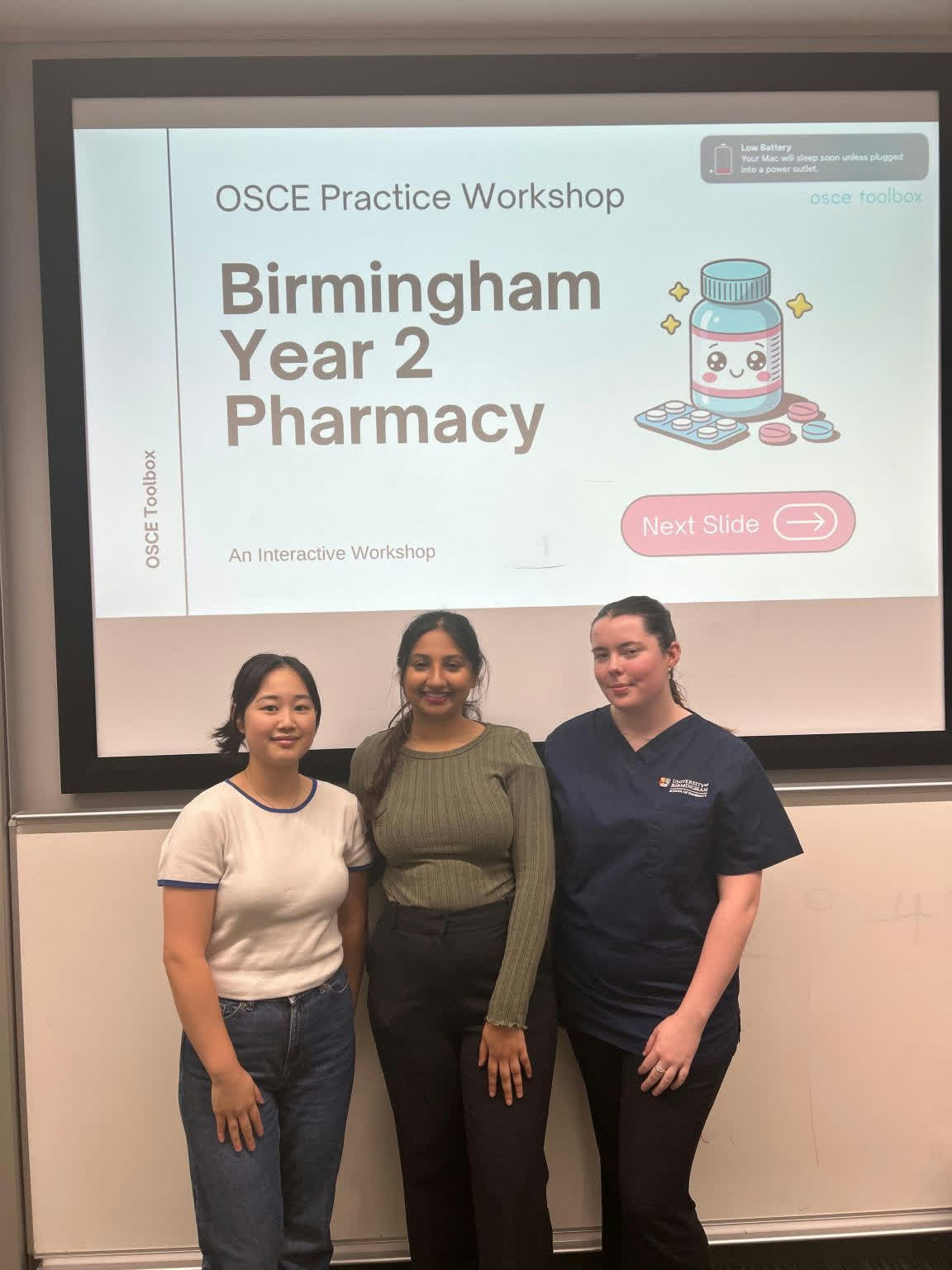
Building Real OSCE Confidence at University of Birmingham
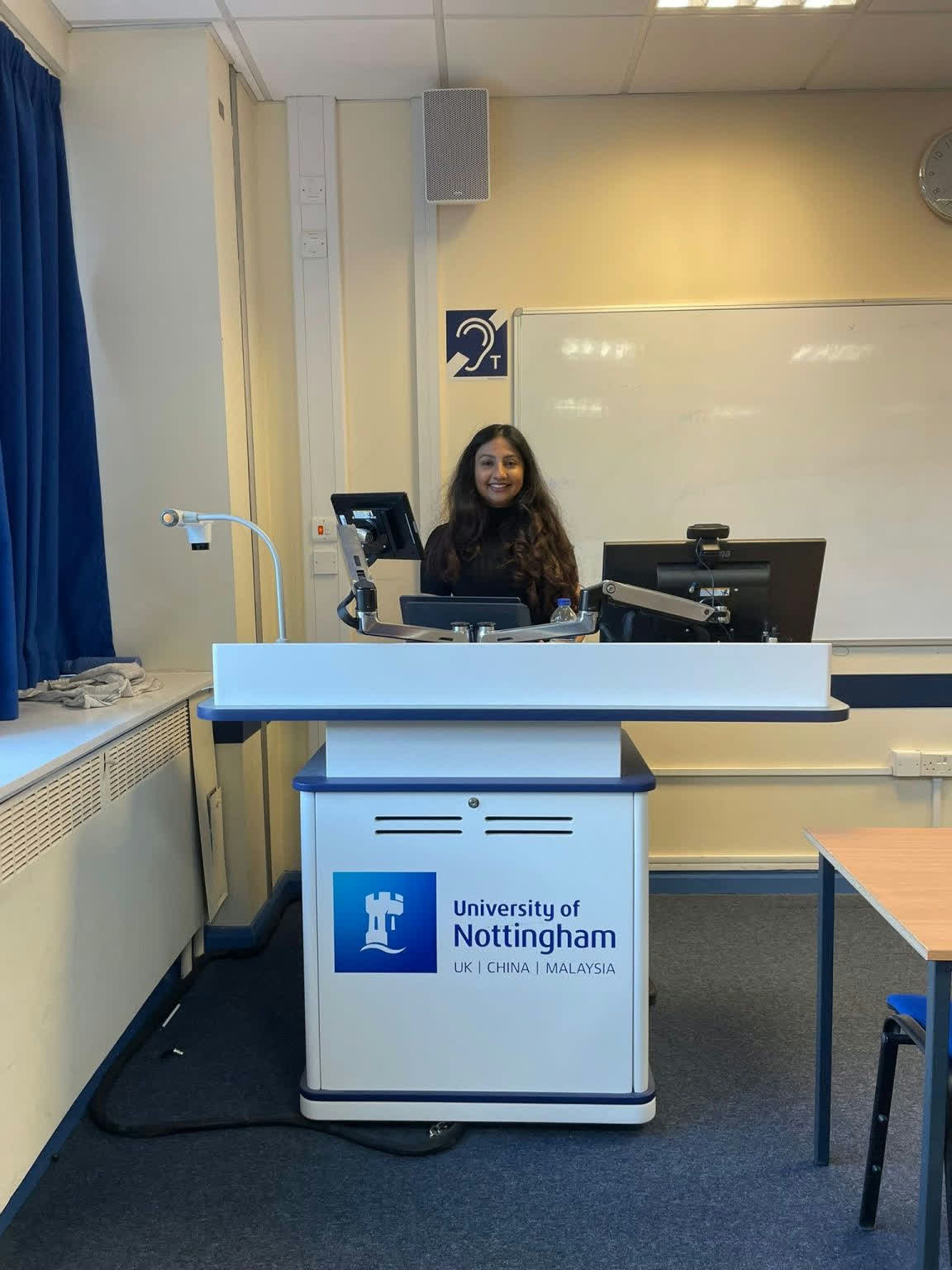
OSCE Workshops at UoB Pharmacy
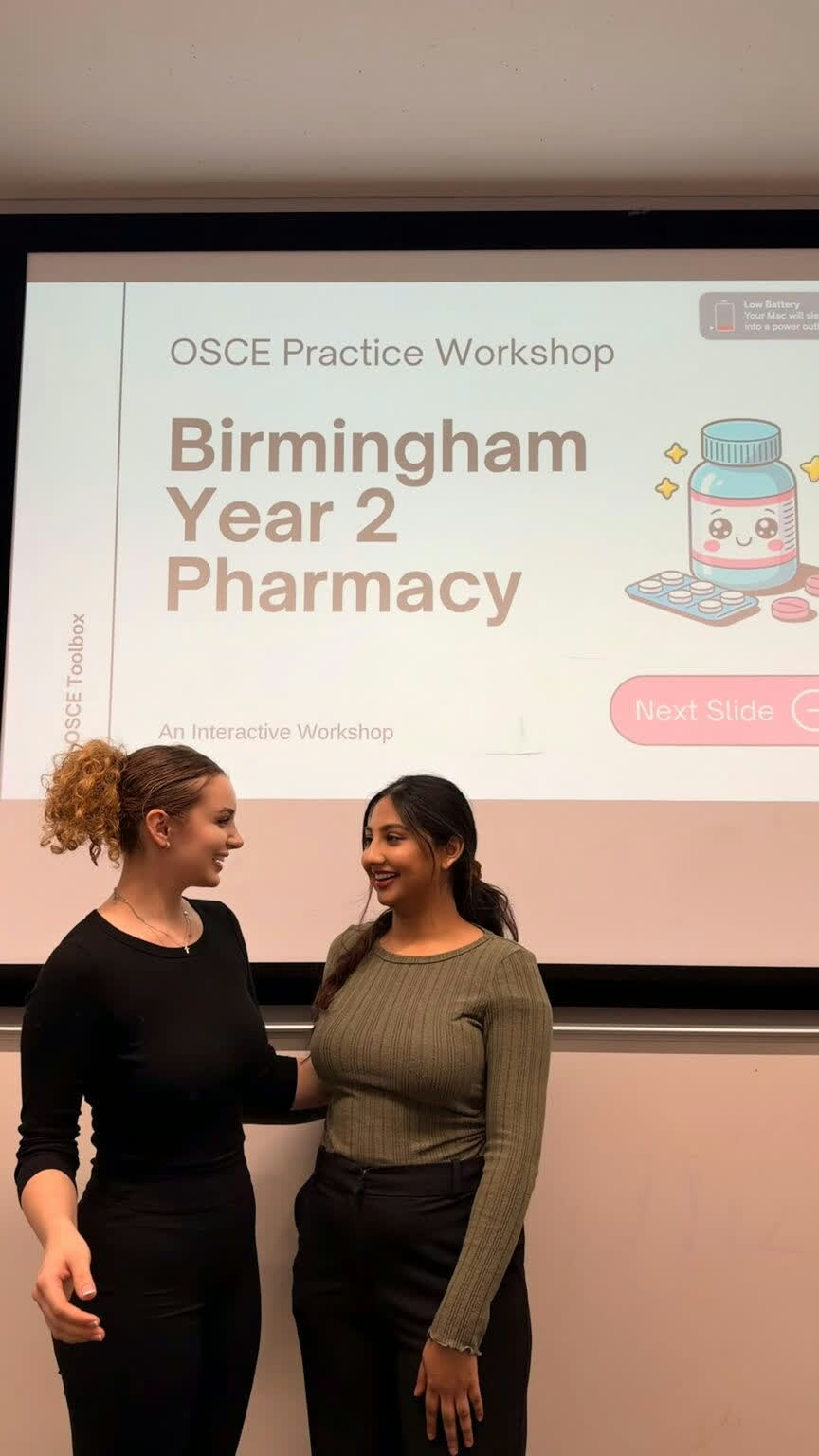
A Game-Changer for OSCE Preparation
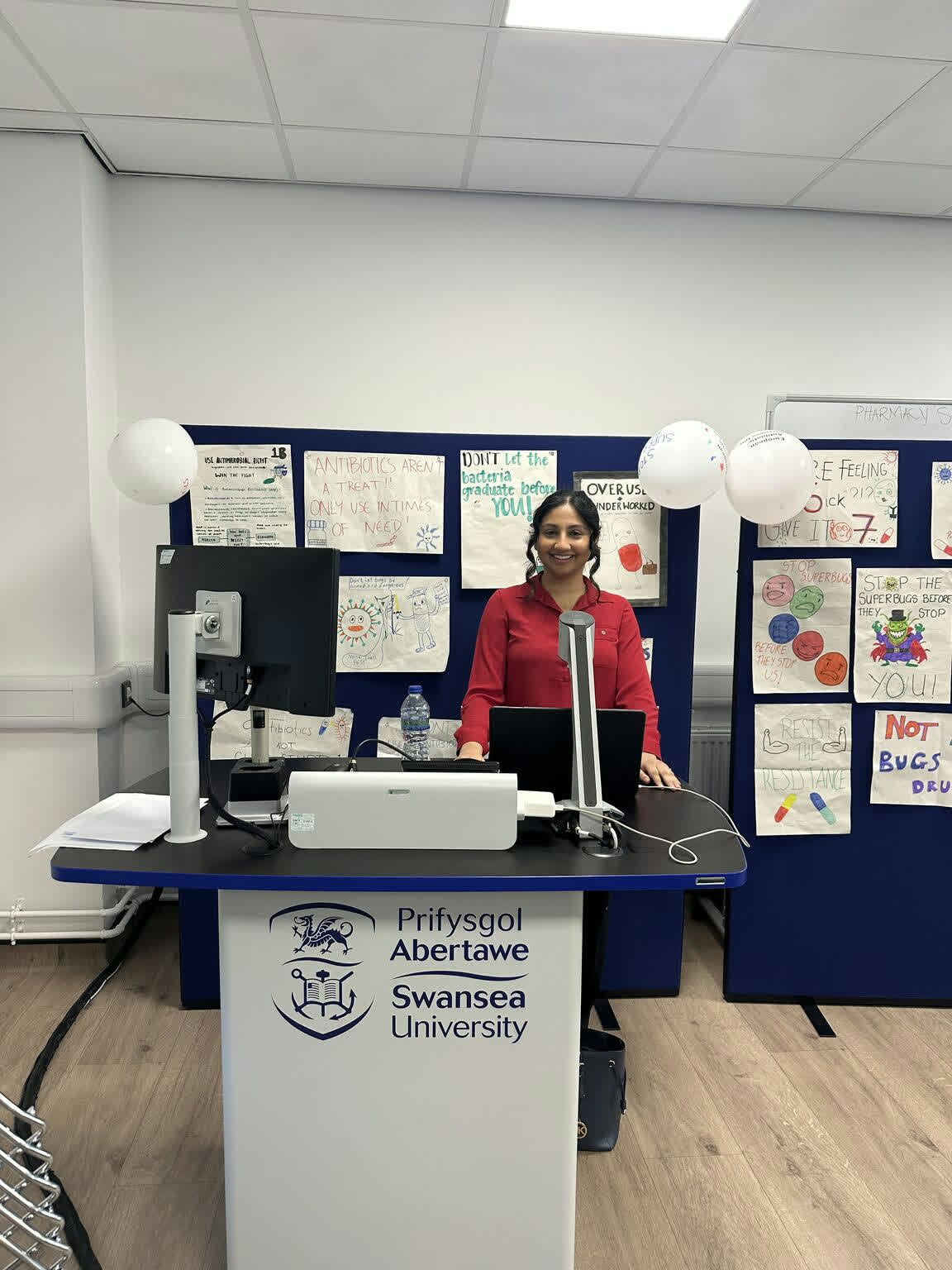
First Visit to Wales — A Brilliant Day at Swansea
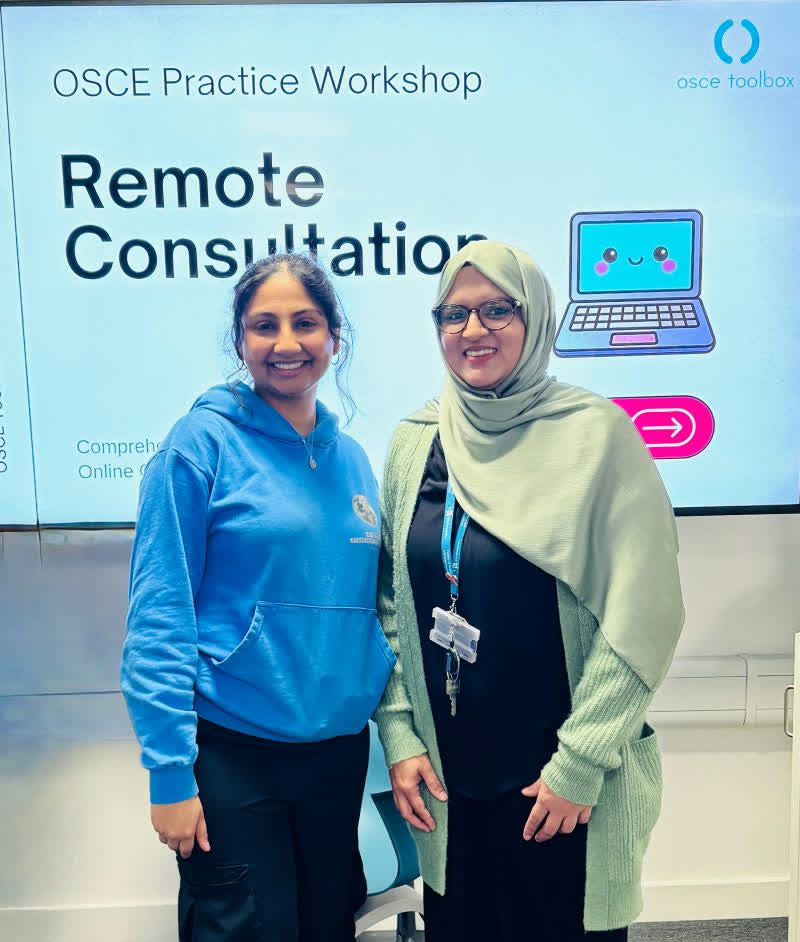
Helping Fourth Years Feel OSCE-Ready
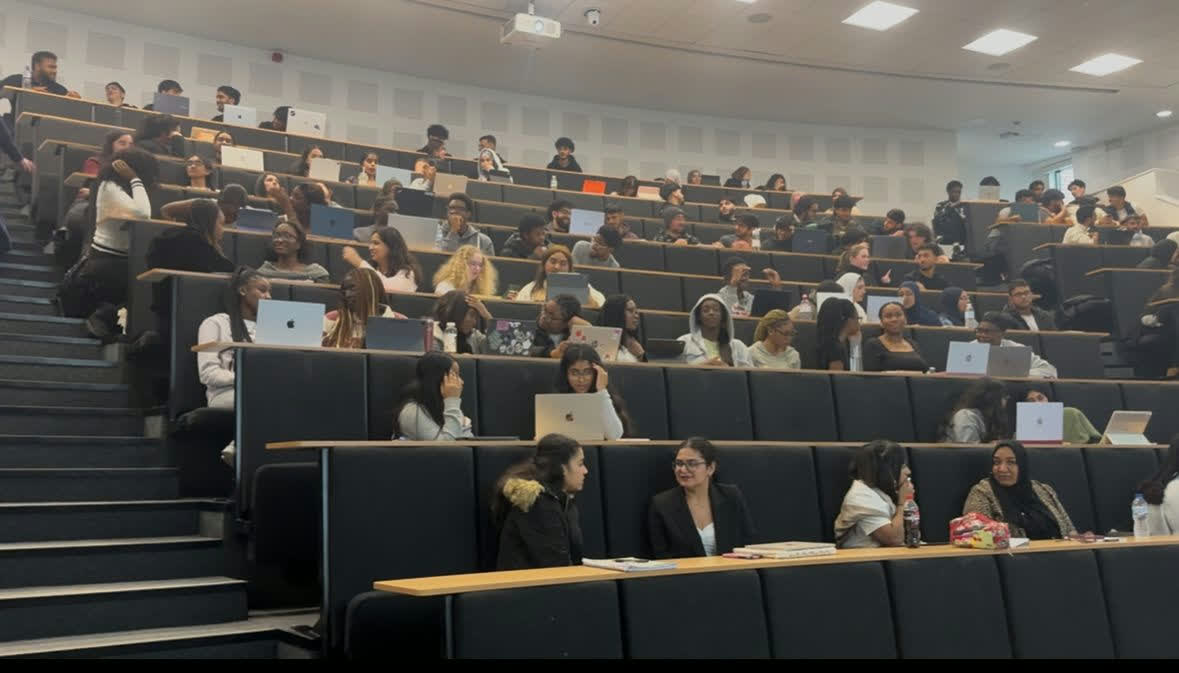
Setting the Standard in Pharmacy Education at Wolverhampton
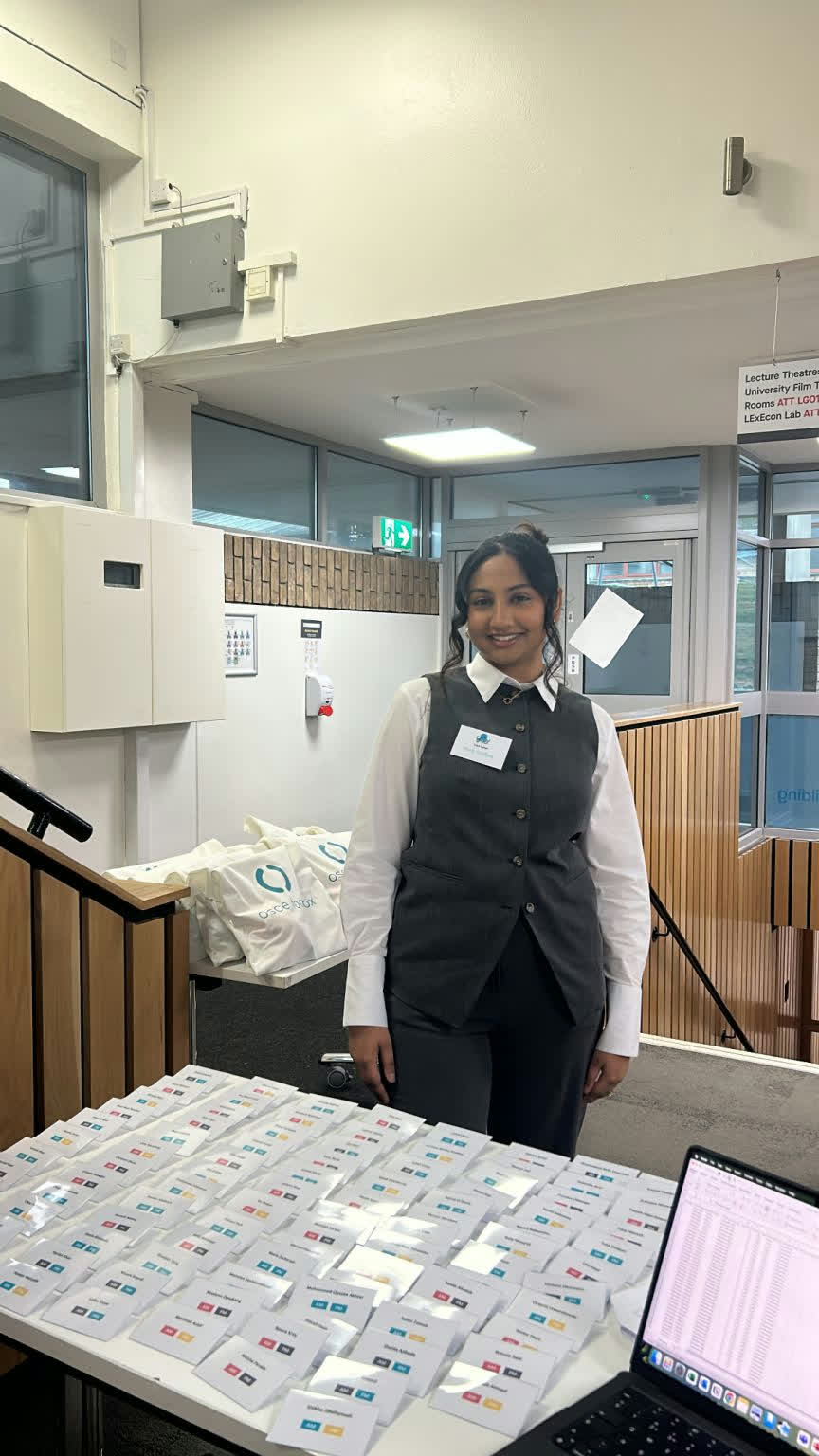
Pharmacy Student Conference 2025: A Day to Remember
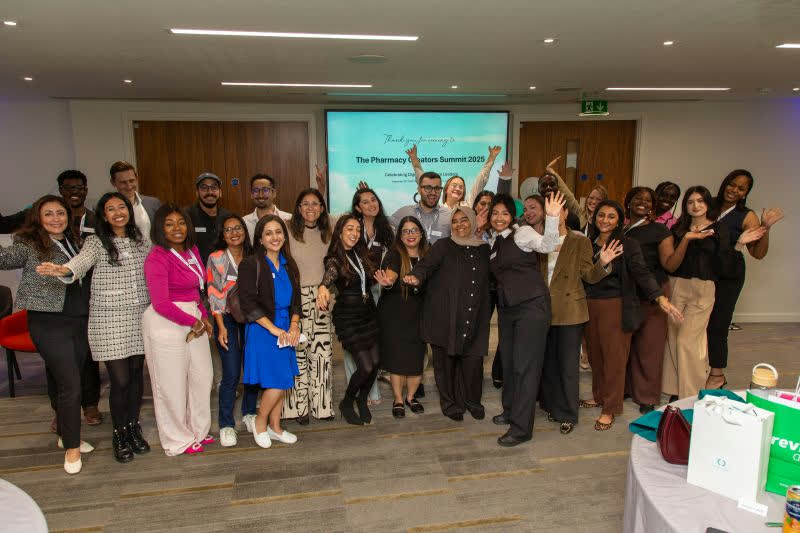
Pharmacy Creators Summit: Making History for the Profession
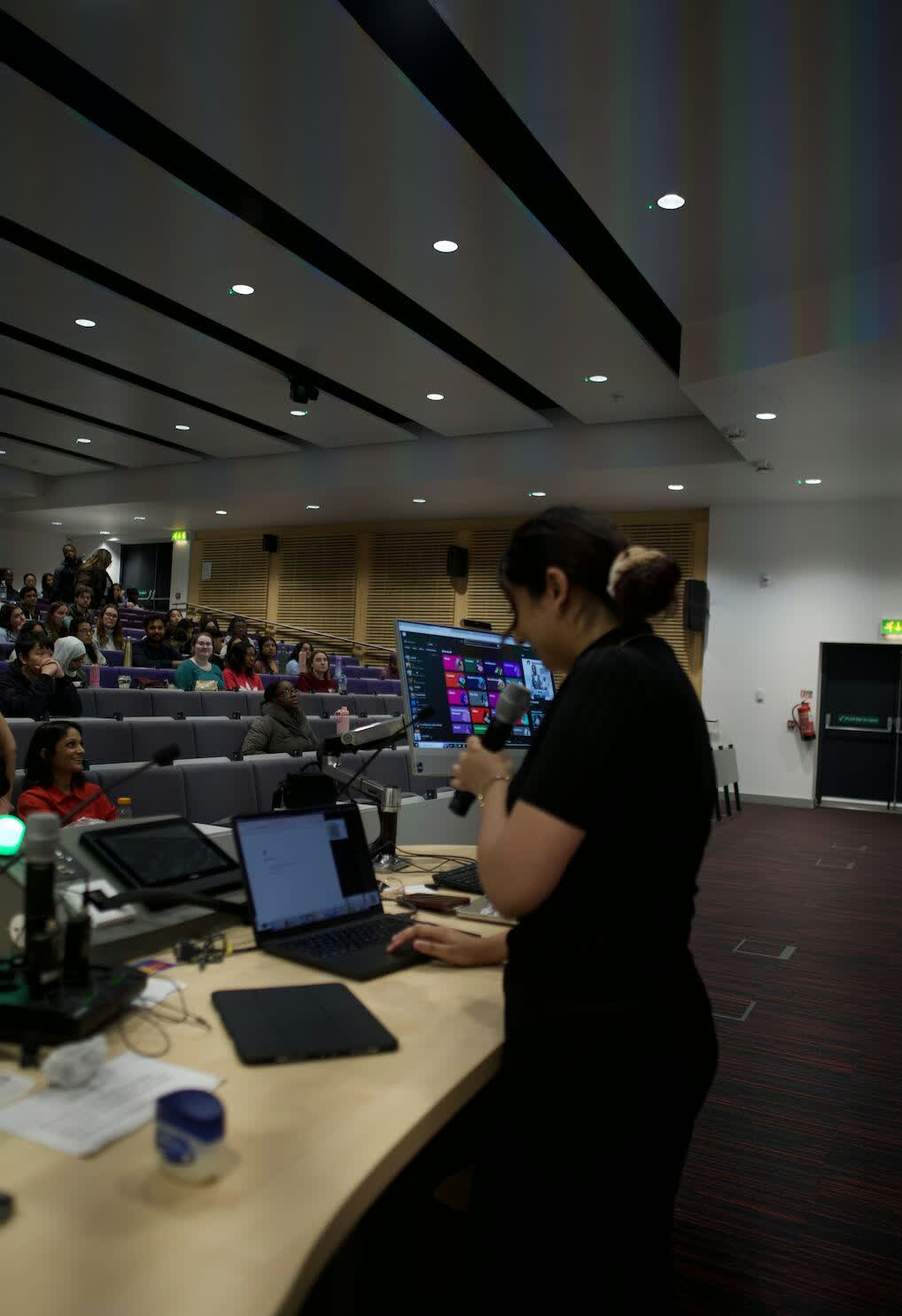
From Nerves to Impact: OSCE Practice at BPSA Eastern
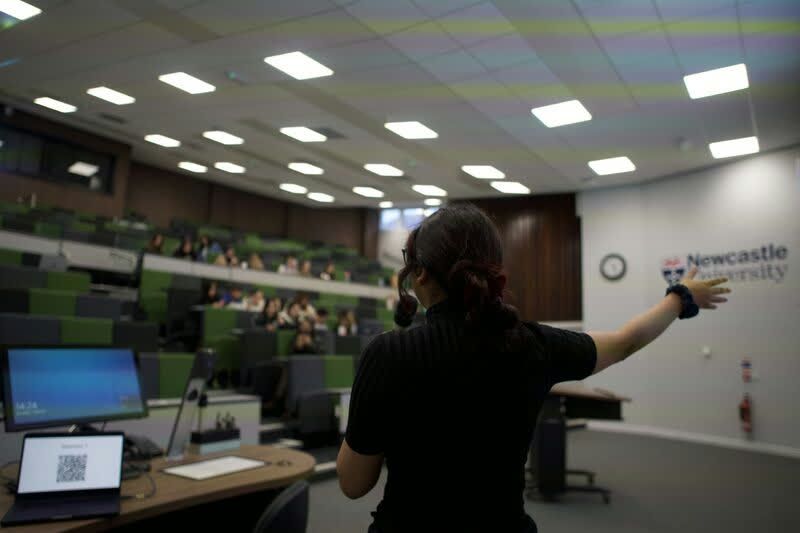
Shaping Confident Pharmacists at Newcastle BPSA Northern

Empowering Students at the BPSA Women’s Health Conference
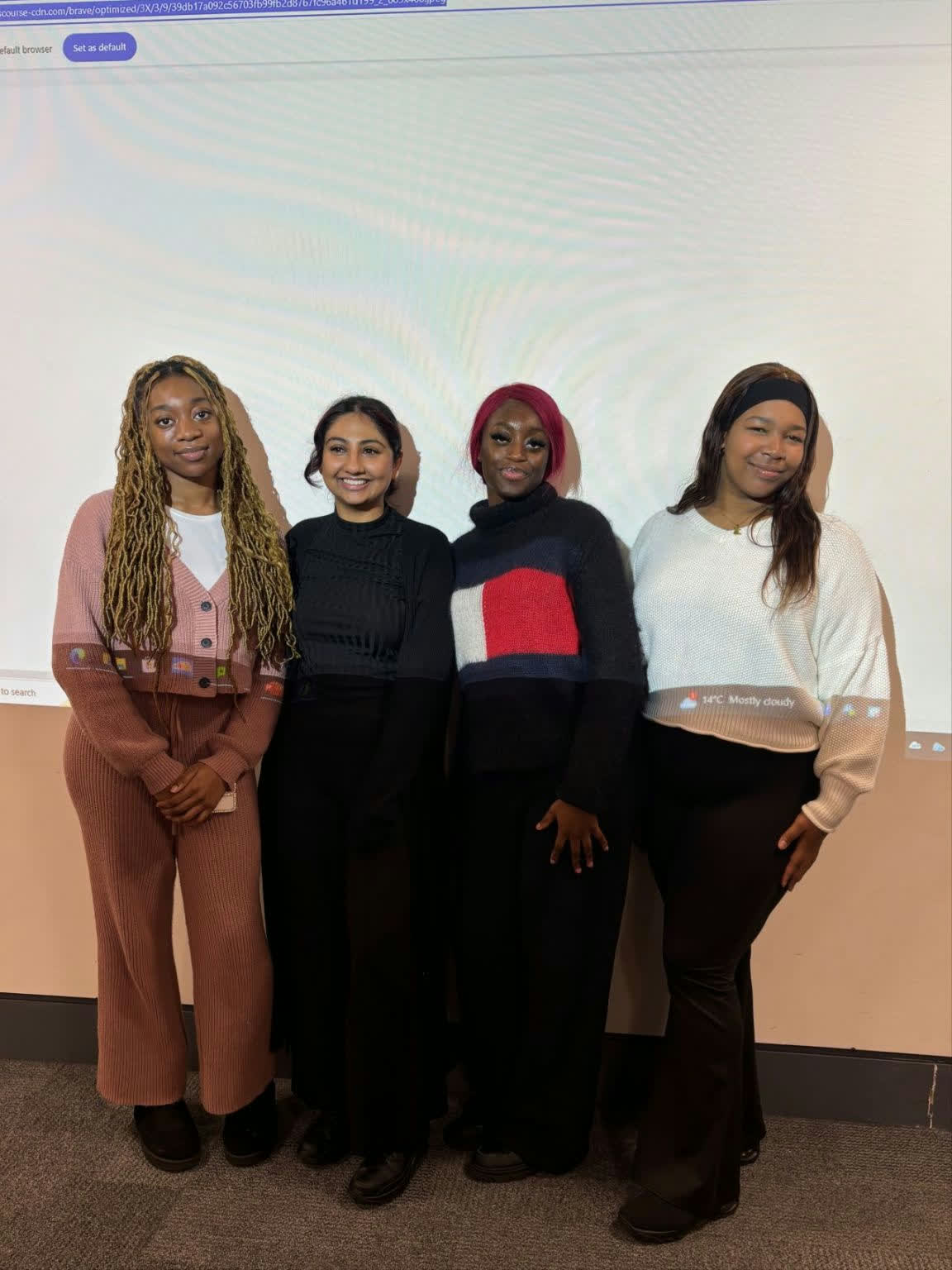
Addressing the Gender Pain Gap at Kingston University
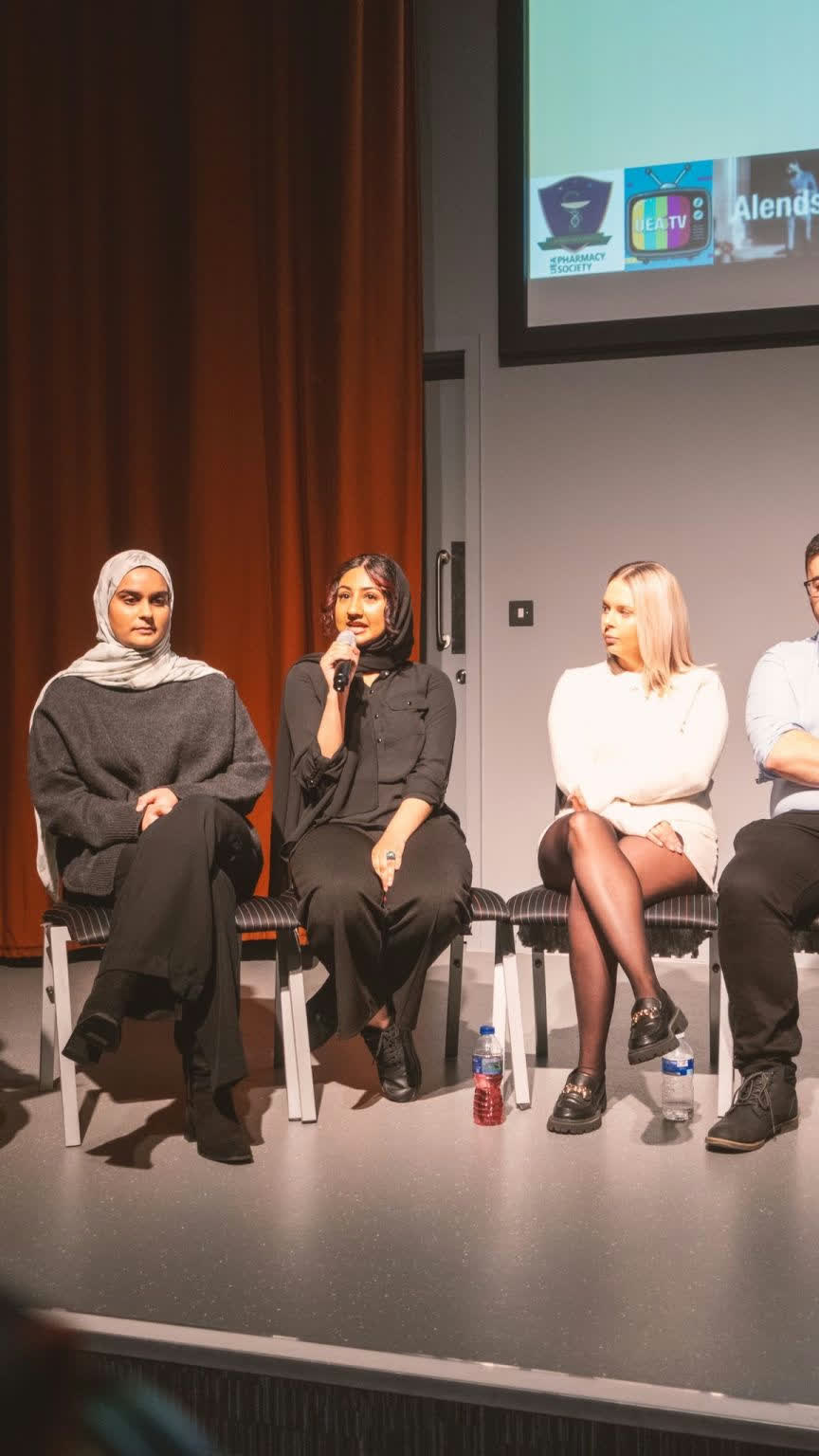
Insights and Inspiration at 'Healthcare in a Nutshell'
I found the wide-range of OSCE stations for example, medicines reconciliation, really useful - especially given the limited pharmacy-focused resources currently out there. As OSCEs are in-person exams, I found it hard to otherwise revise OSCE technique. However, the built in timer meant as well as being able to practice with friends, I could work through stations independently. The answer check-lists are ultimately probably the most useful aspect of OSCE toolbox as it allows you to build an awareness of what examiners are looking for in each station - which is invaluable!
Molly Bullock
How Our Content Is Created
Every scenario undergoes a structured, multi-stage quality assurance process to ensure clinical accuracy, educational value and regulatory alignment.
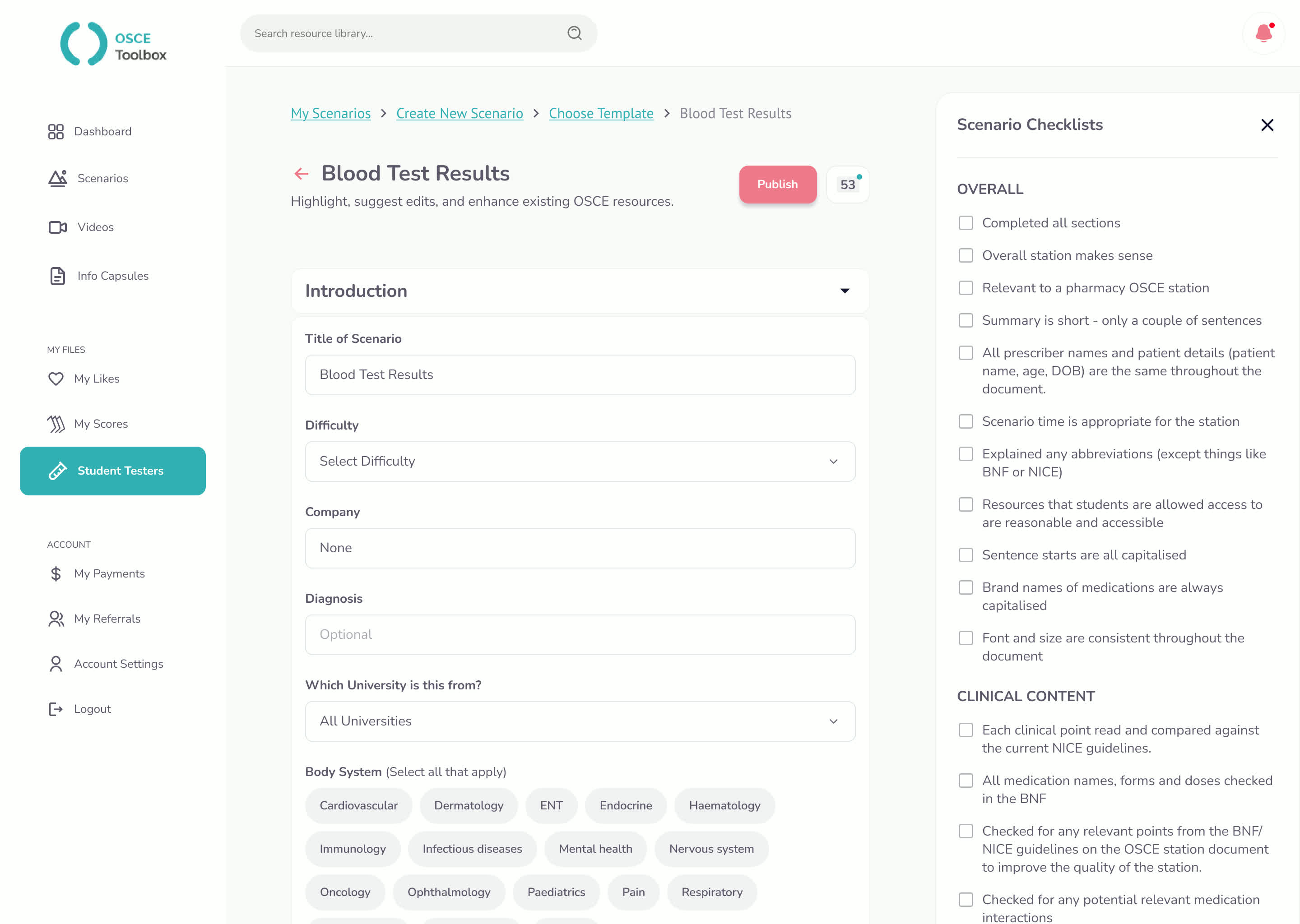
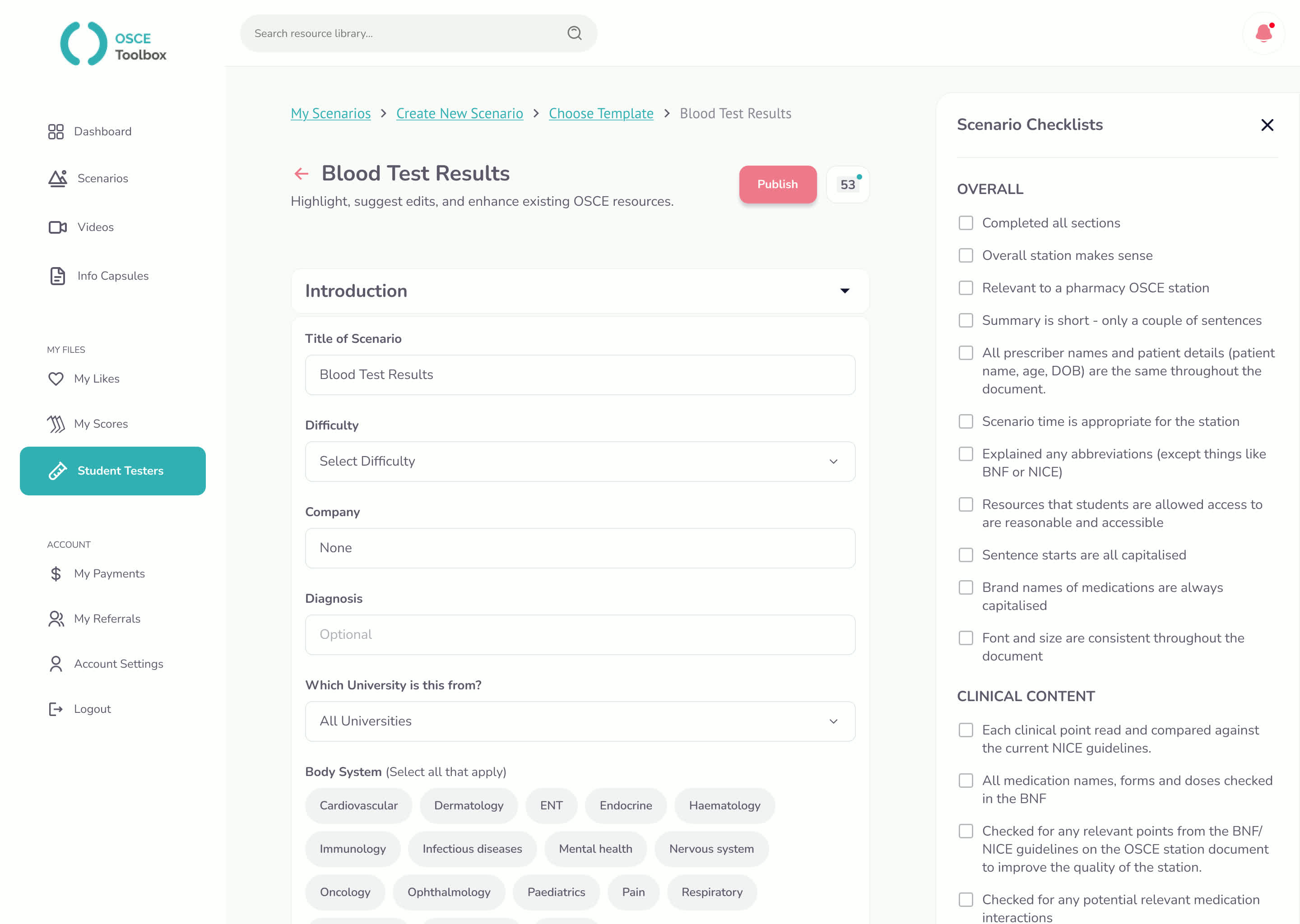
Authoring
Scenarios are written by trained contributors, including high-performing pharmacy students and practising pharmacists. Each scenario follows a structured template:
- Summary
- Actor brief
- Mark scheme
- Red flags and referral criteria
- Revision topics
- Evidence-based references
Authors must map each case to relevant GPhC learning outcomes and submission requirements before submission.
Academic Review
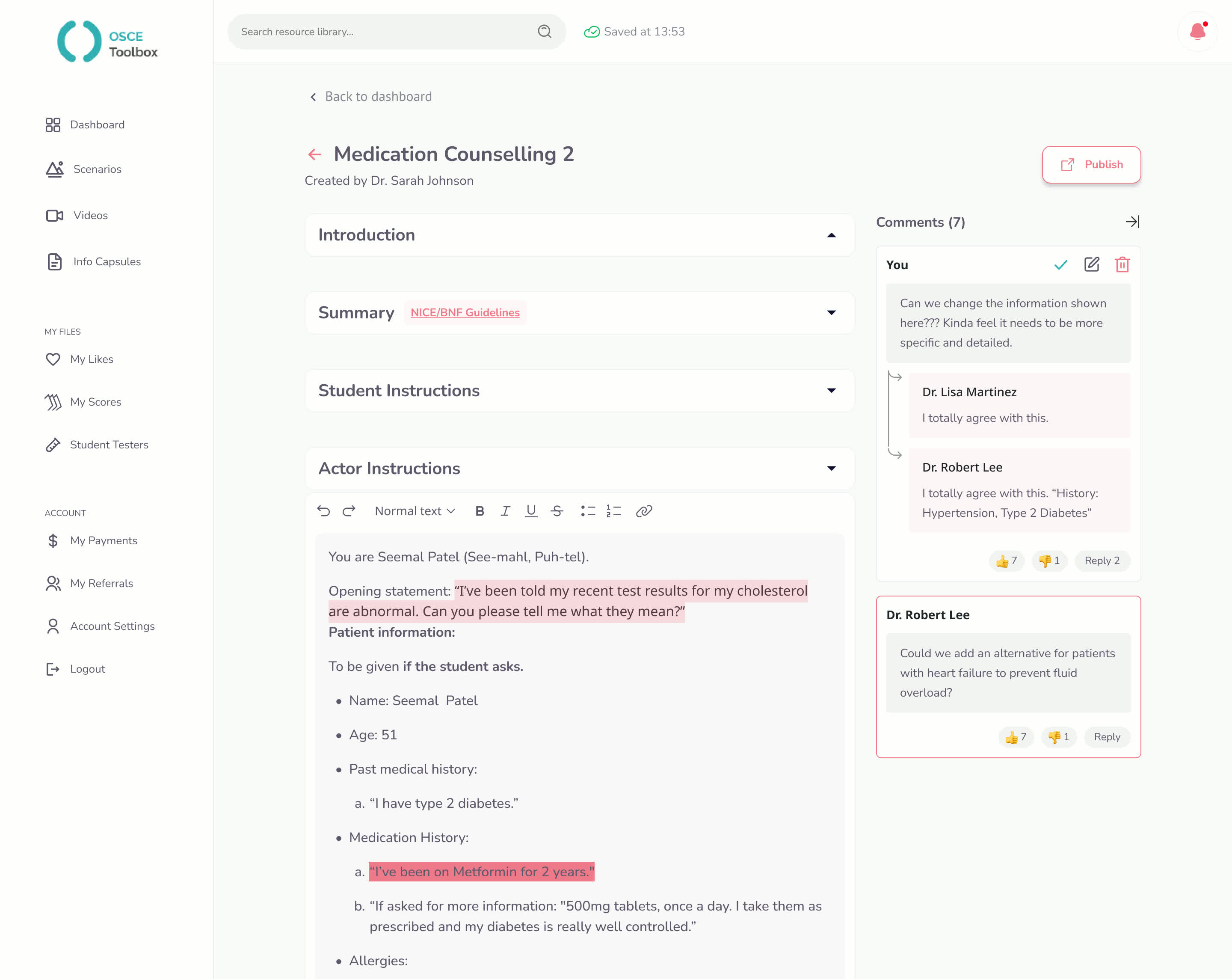
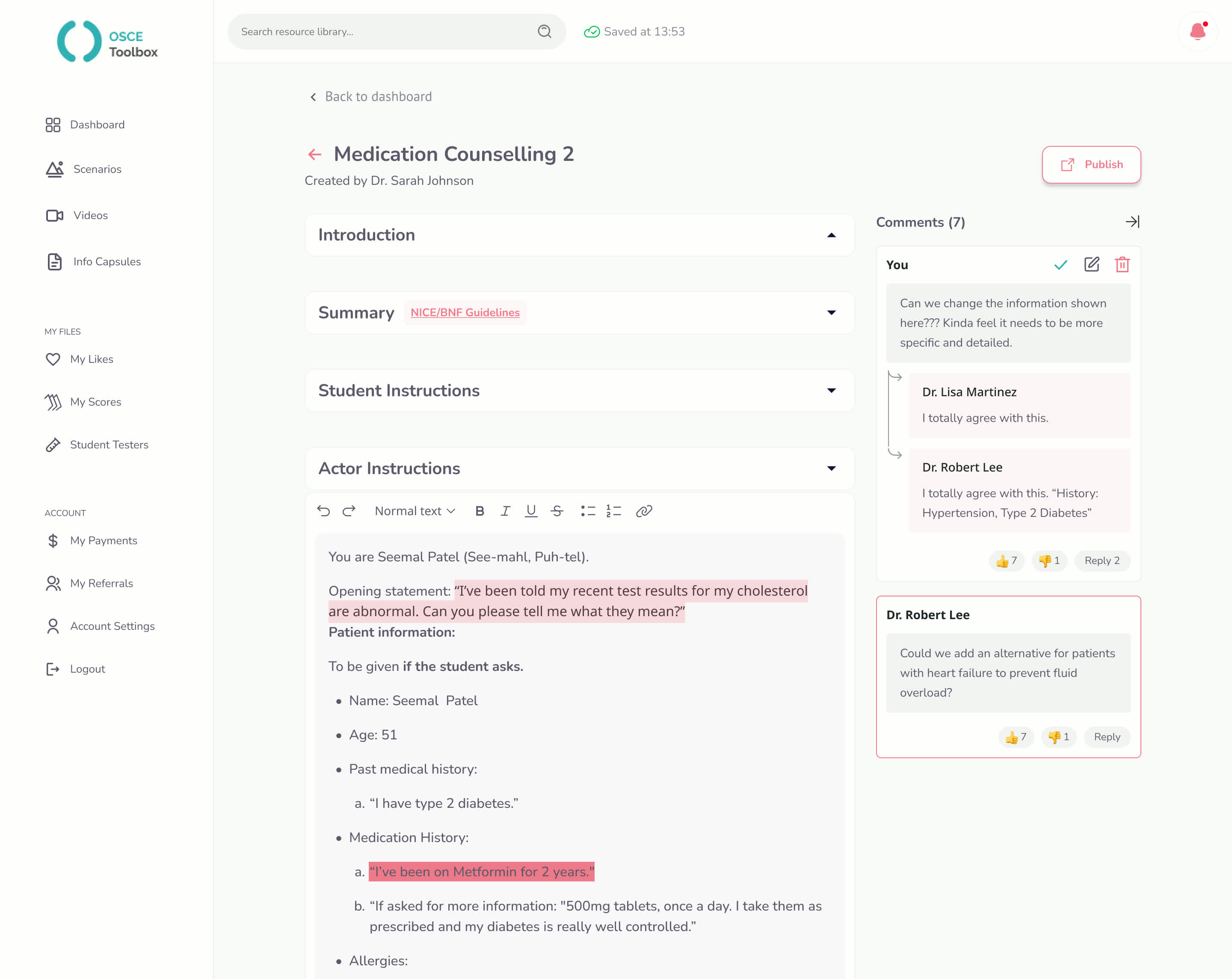
Each scenario is independently reviewed by two academic pharmacists. Reviewers:
- Verify alignment with current UK guidance
- Assess level appropriateness
- Edit for clarity and structure
- Ensure patient safety and prescribing accuracy
Scenarios cannot progress until all academic comments are resolved.
Student Testing
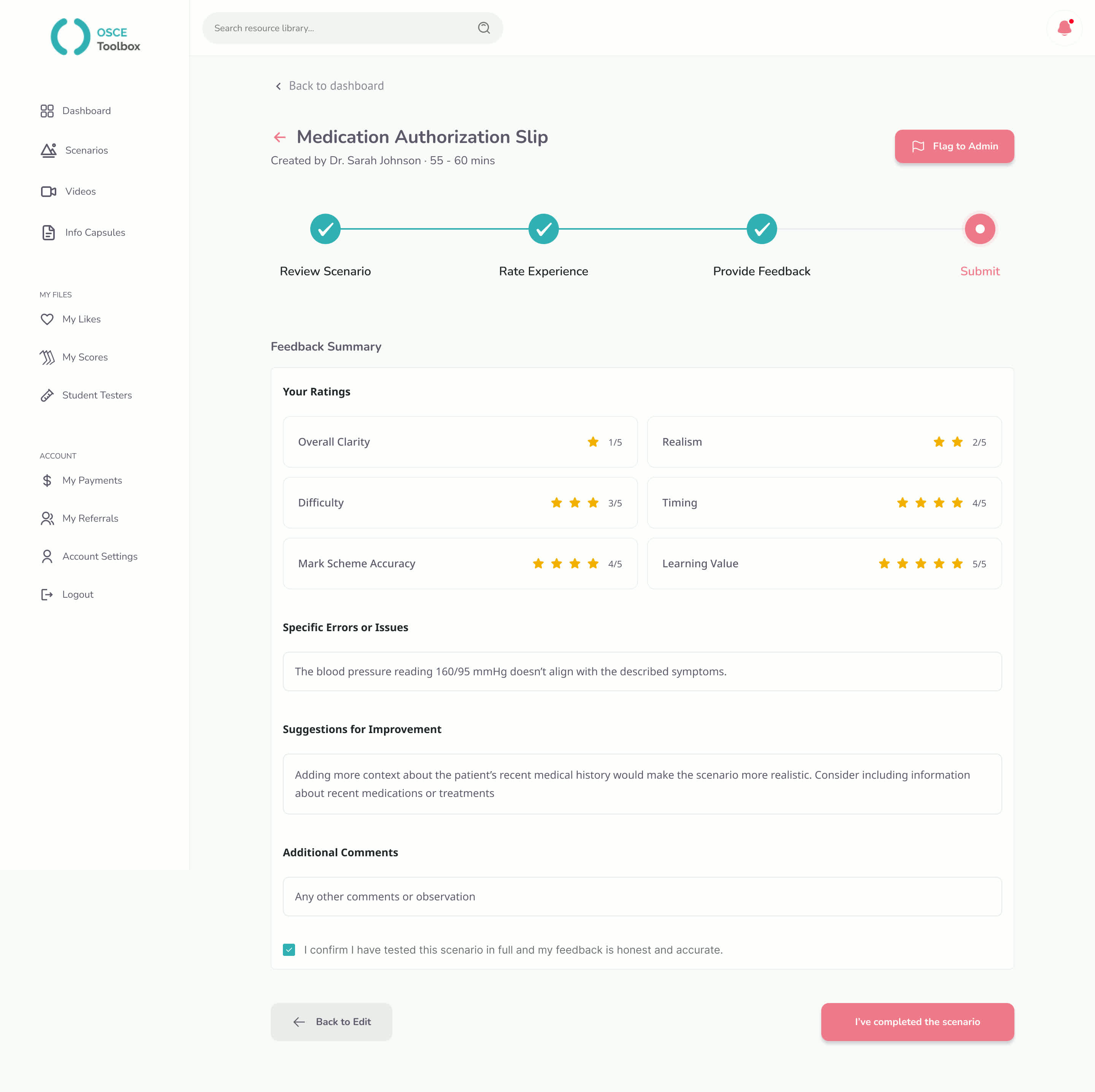
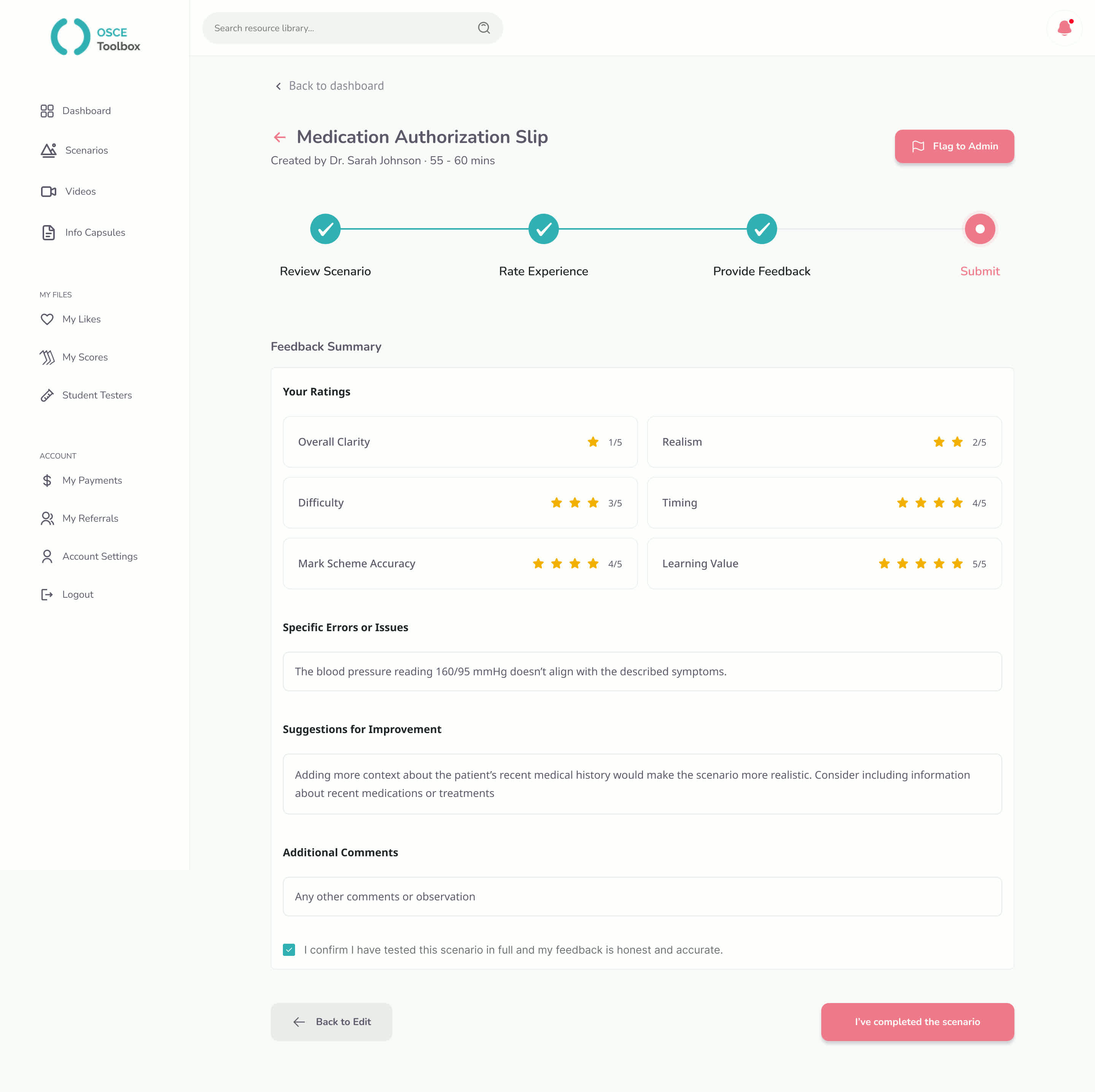
Before publication, scenarios are piloted by student testers. Testers evaluate:
- Overall clarity
- Realism
- Difficulty level
- Timing feasibility
- Mark scheme alignment
- Learning value
Feedback is incorporated into final revisions.
Final Approval & Publication
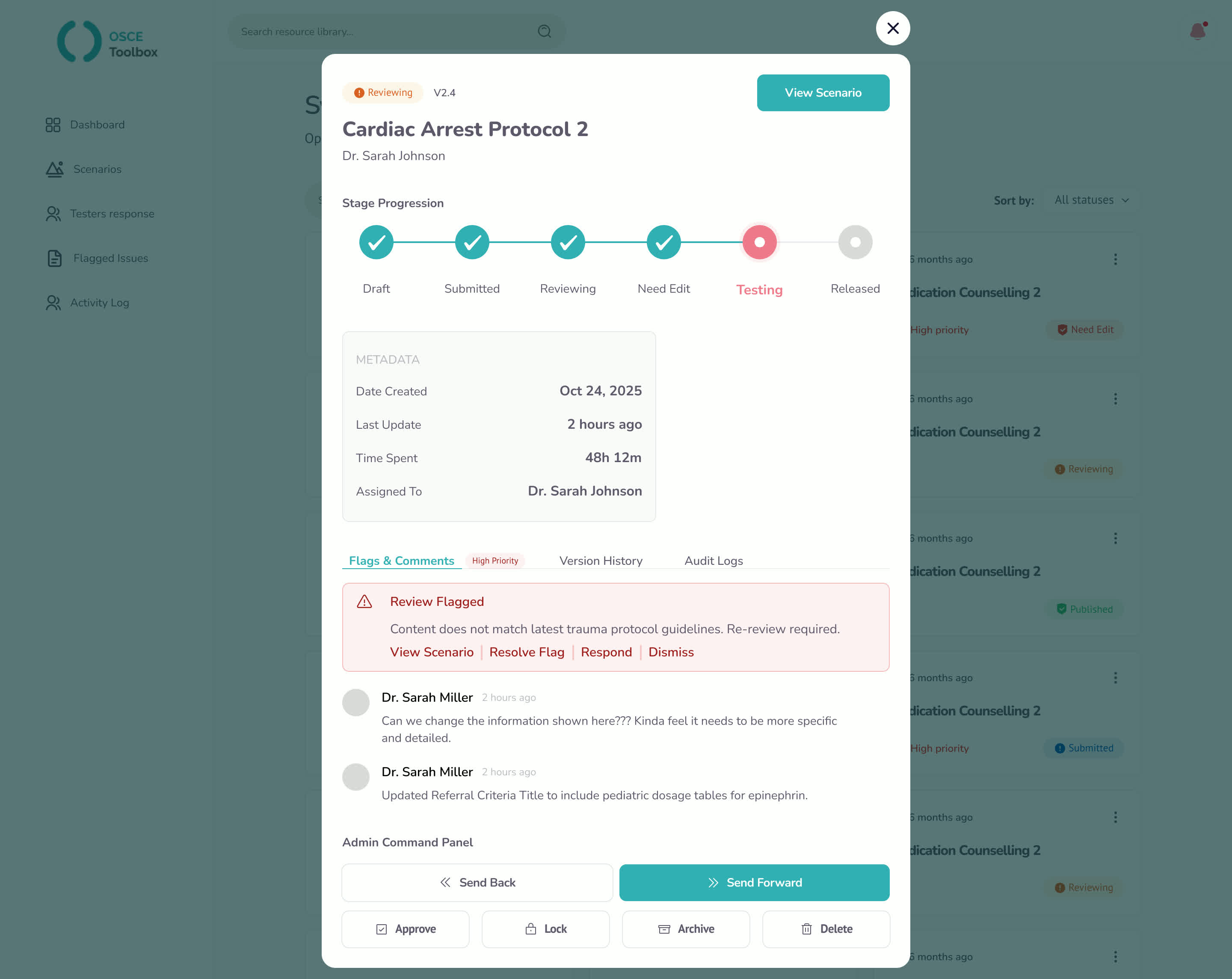
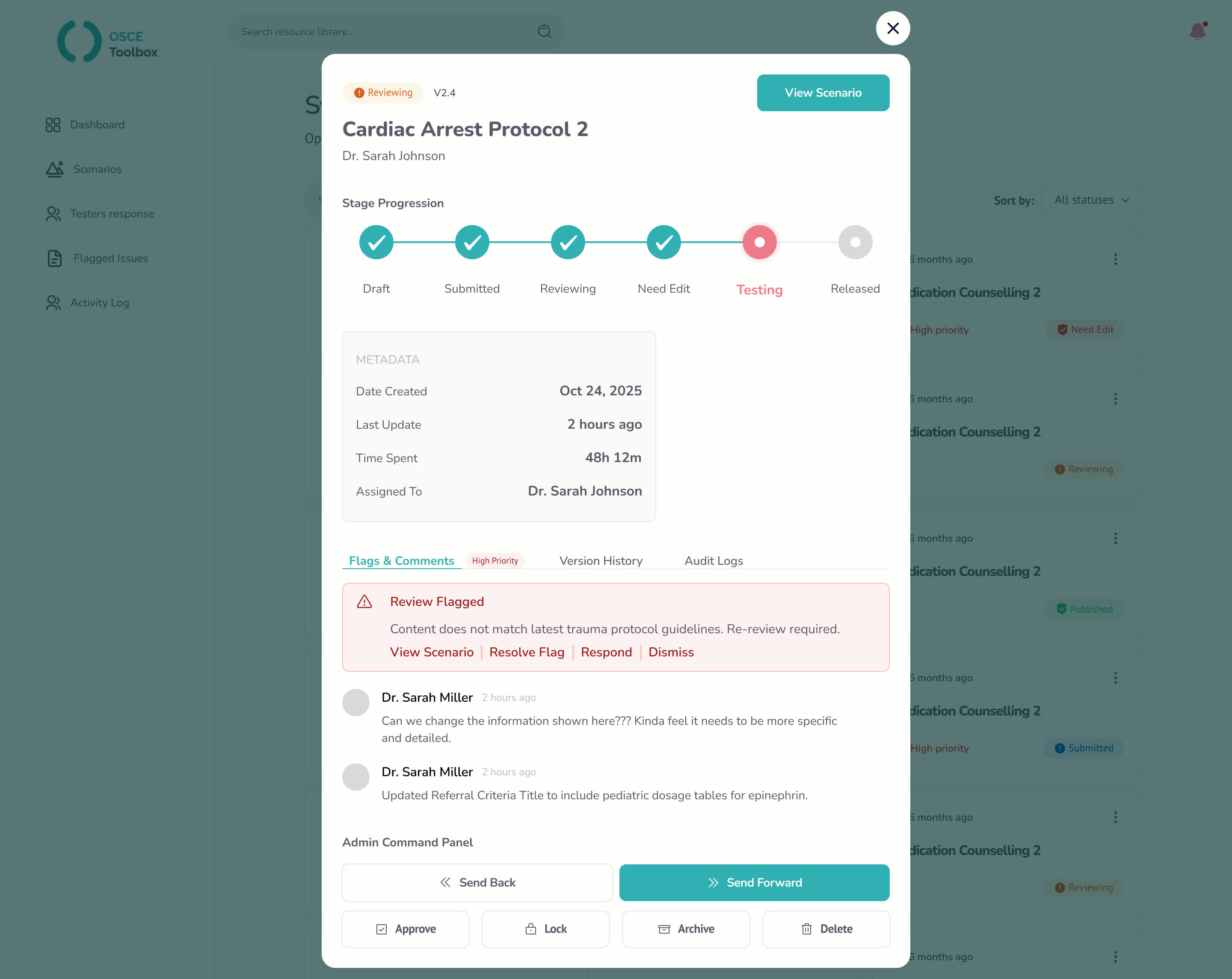
After dual academic review and student testing, the scenario is approved for institutional release.
All content is version controlled and subject to ongoing review and updates in line with national guidance changes.
How Licensing Works

Universities license OSCE Toolbox per student.
All students receive full platform access via institution-generated access codes.
Institutional licenses include:
- Access to specific scenarios
- Educator dashboard and analytics
- Scenario bundling and OSCE circuit creation
- Module mapping tools
- Performance insights
- Cohort-level engagement tracking
Multi-year agreements are available to support continuity and curriculum integration.
Our Vision
We believe OSCE preparedness is not about exam performance alone.
It is about:
- Patient safety
- Consultation confidence
- Prescribing readiness
- Professional identity formation
Our long-term vision is to standardise high-quality, structured experiential simulation across UK pharmacy education — reducing variability and improving early-practice competence nationally.

Trusted by 4000+ Pharmacy Students
Don't just take our word for it—thousands of students already use OSCE Toolbox to sharpen their clinical skills.
 Neha Johnson
" First, I used it just by myself; I would read the patients description, then move onto to ask all relevant questions and mark what I did well and what I could improve on. Then I used the toolbox with my peers, where one of us pretended to be the patient and one the pharmacist, which was quite useful."
 Alicja Puchalska
" I would recommend it as the subscription price is very reasonable with few subscription options, you can cancel it any time, and you have a lot of scenarios to practice on. It is great for solo practice as well as the group practice."
 Ibrar Chaudhry
" I loved the analytical checklist. This had allowed me to see where the marks were available and the main bits that i was missing throughout the OSCE."
The toolbox that every Pharmacy student needs
Book a demo